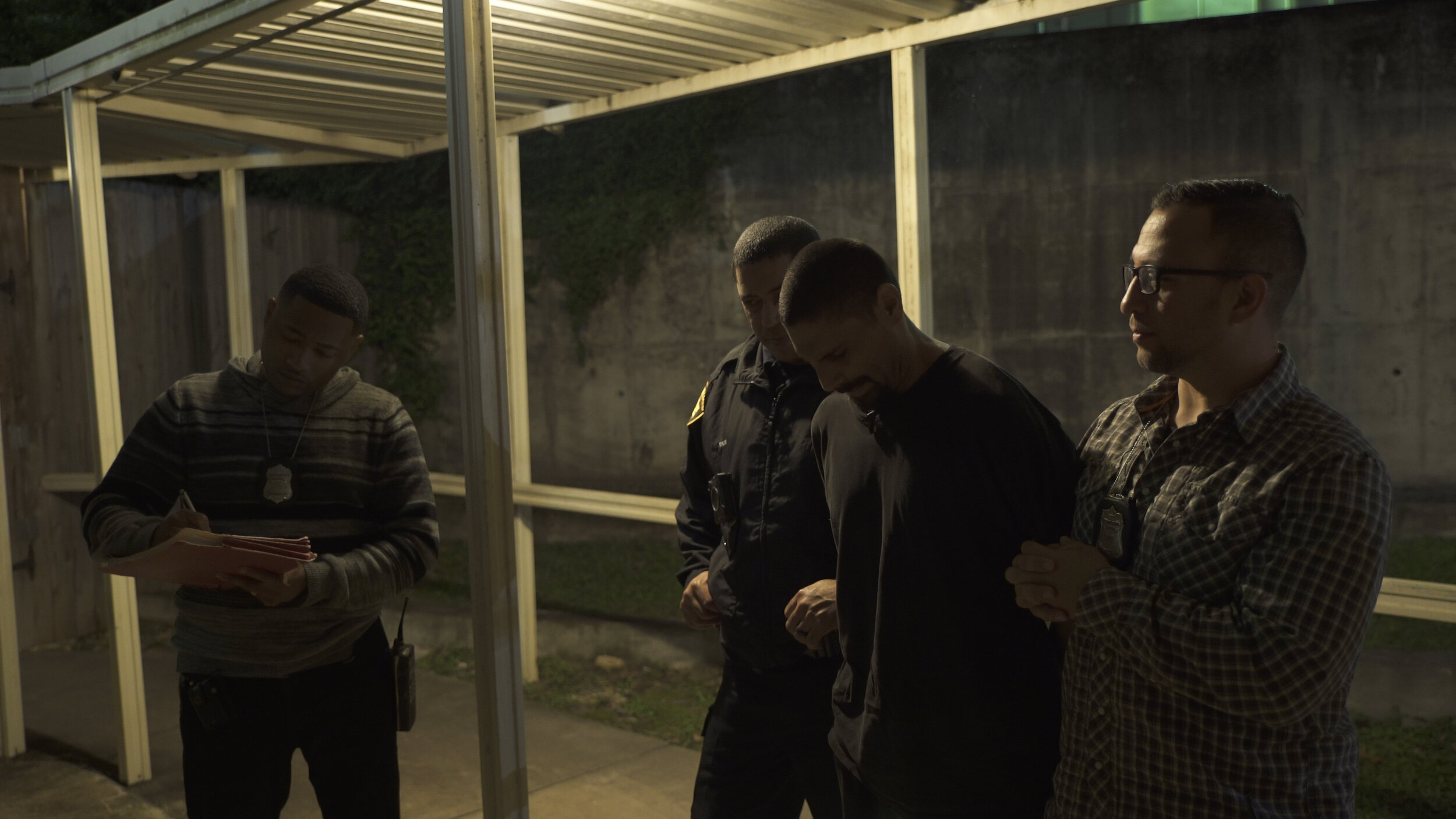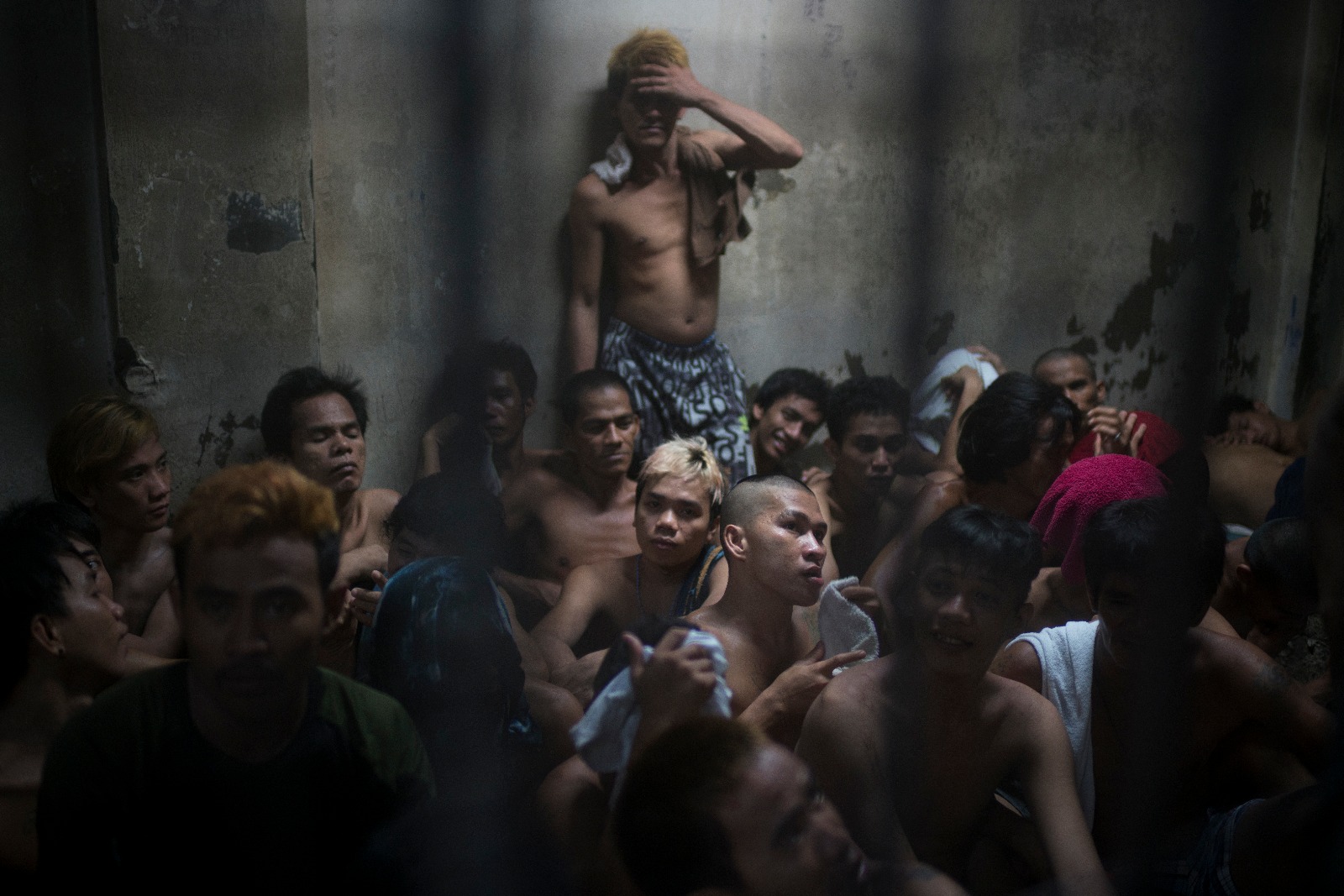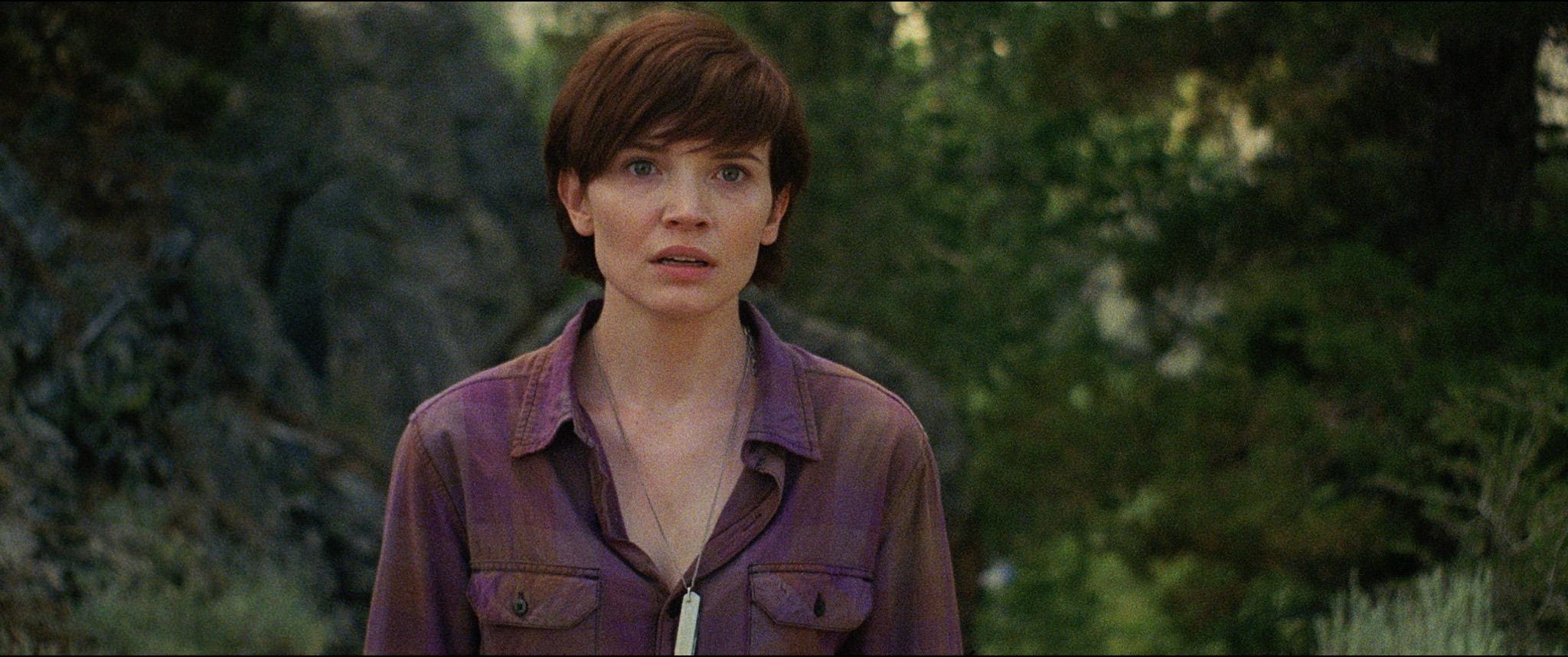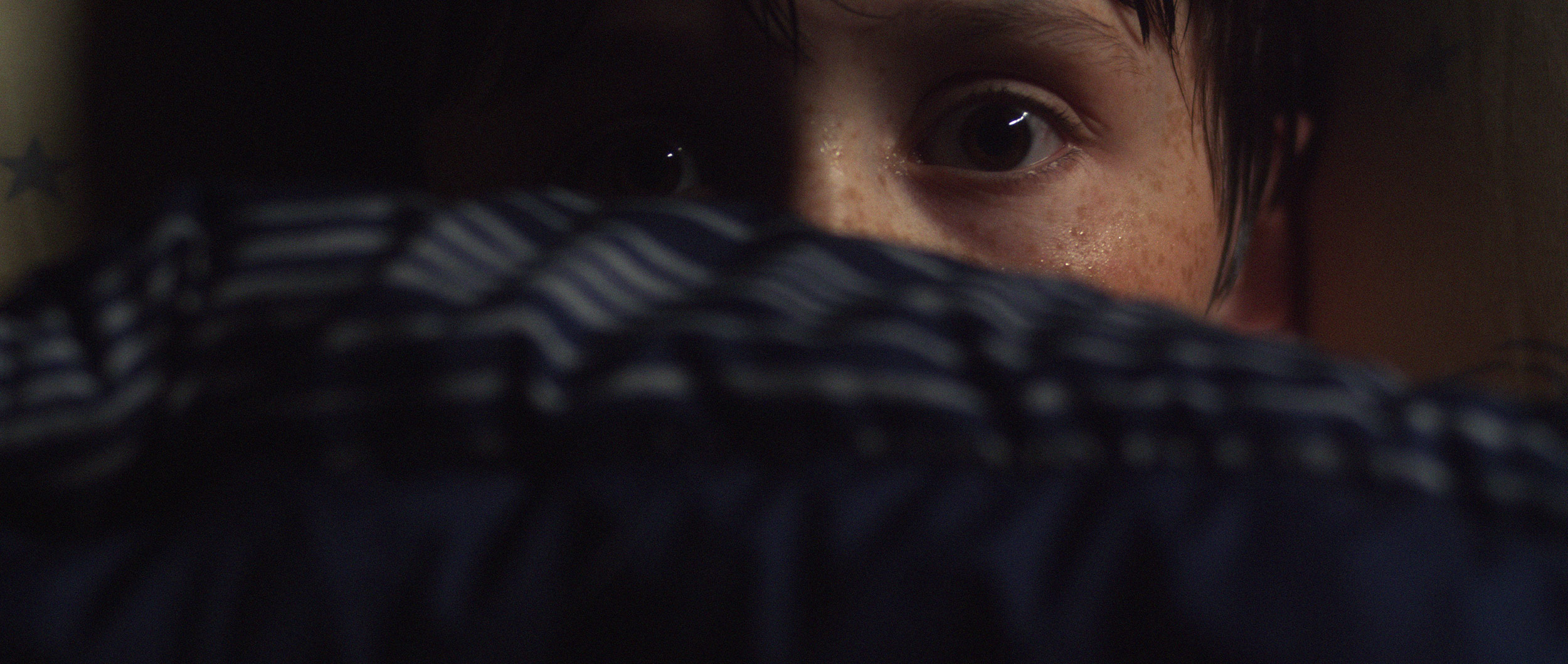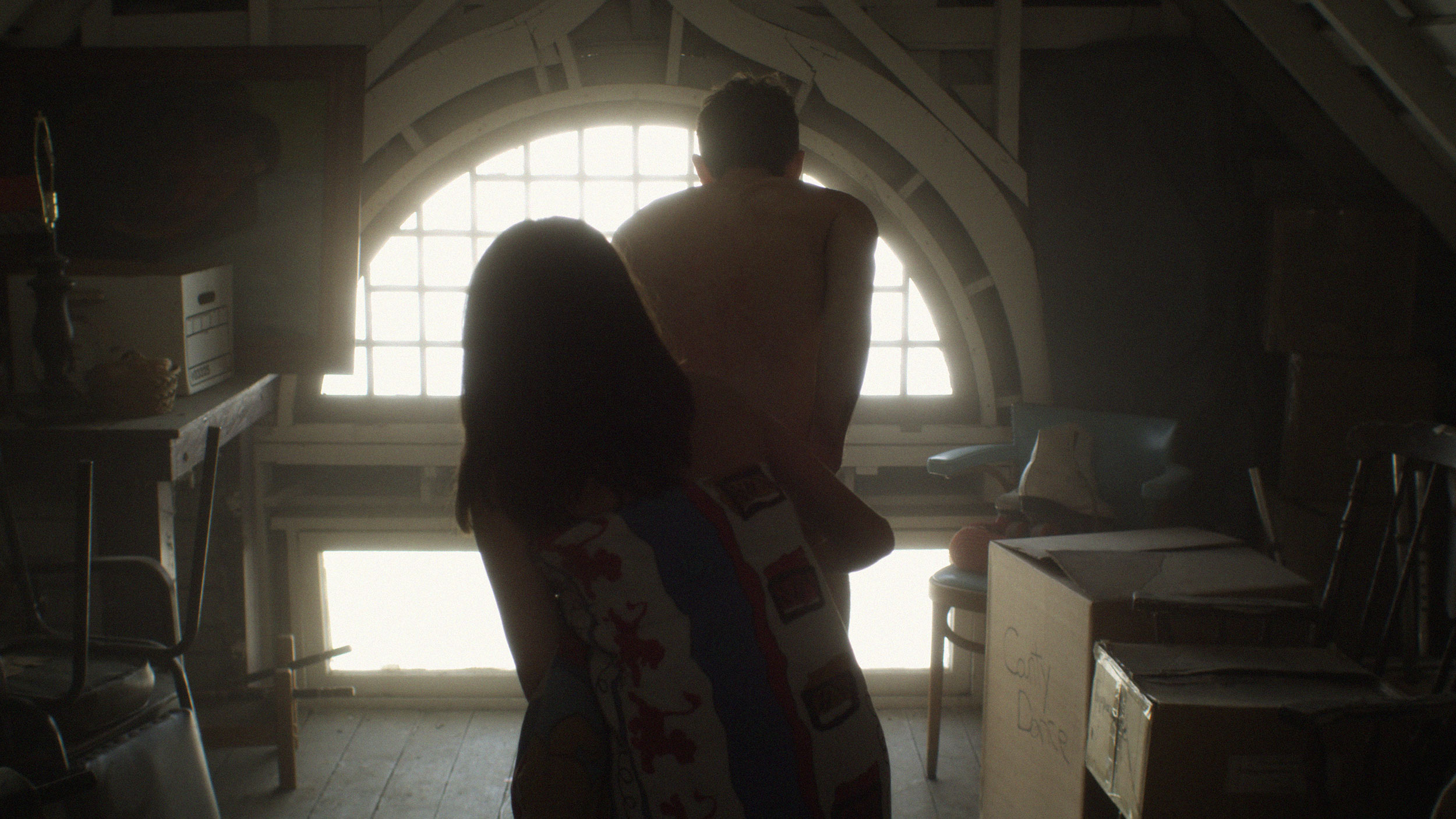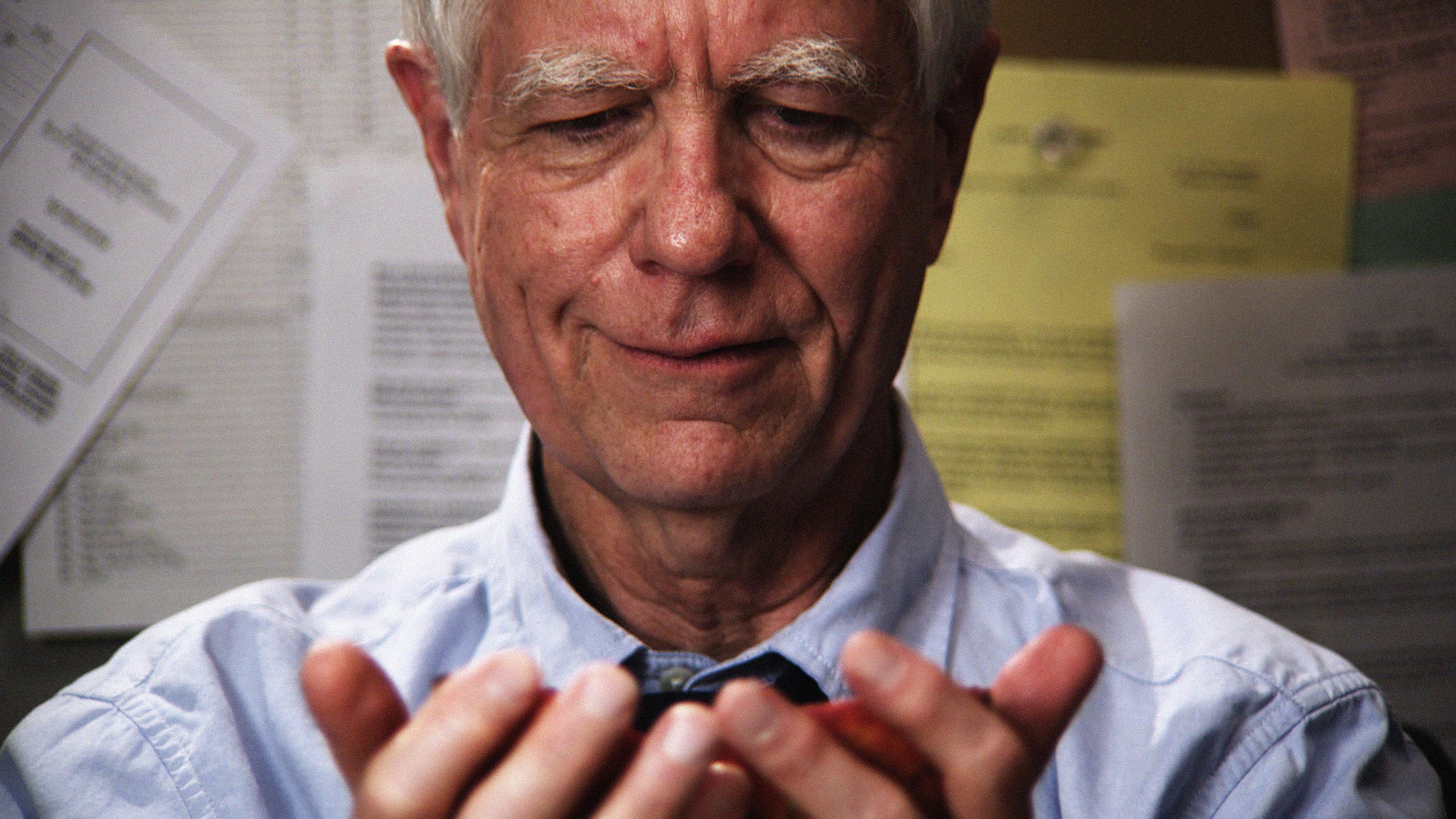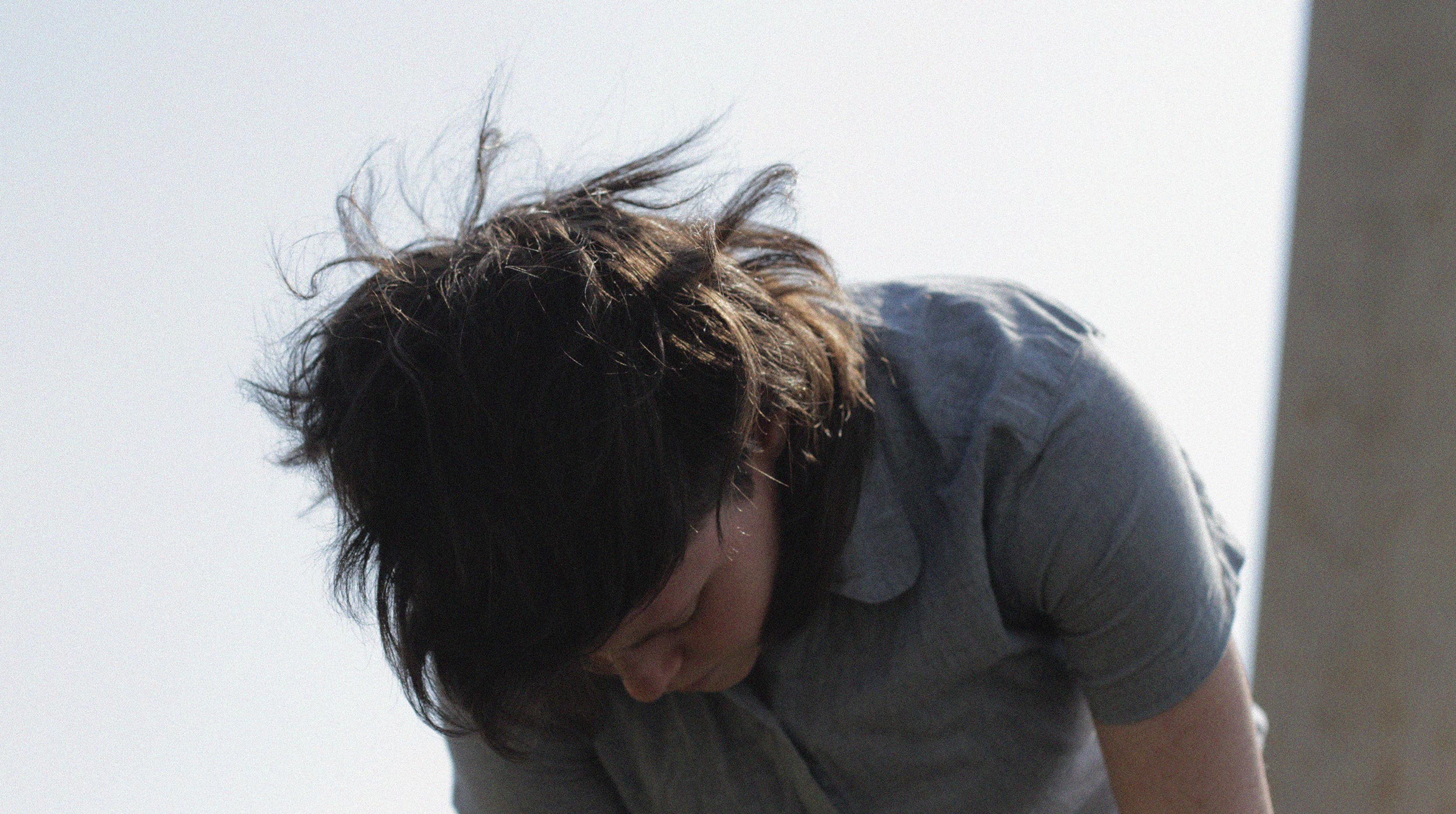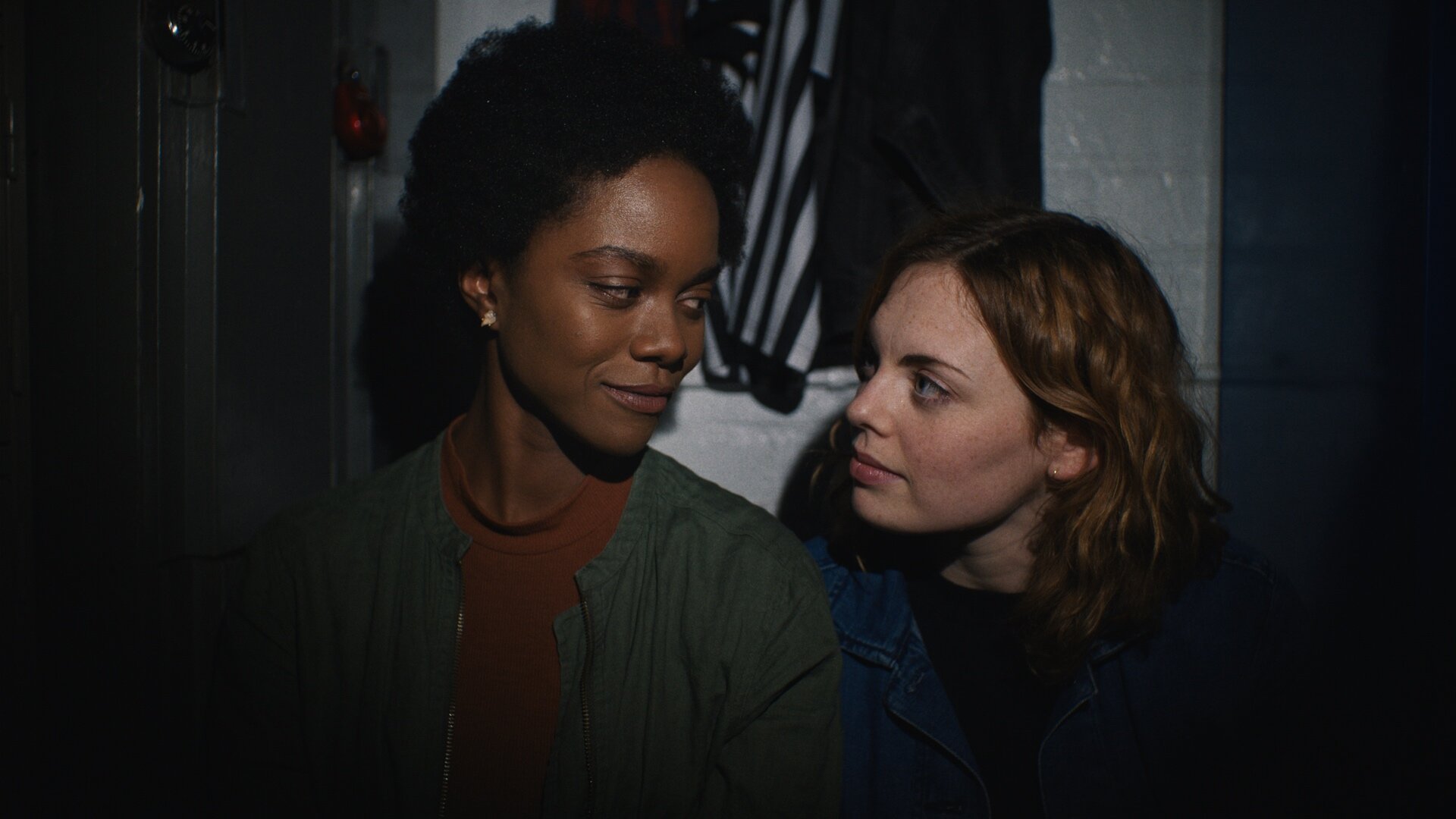
Our Kickstarter campaign has begun! We’ve been working on this project for over a year and a half. Support independent cinema, support our dedication, support the creation of art in your community!
“Meditations” is returning to NewFilmmakers LA on May 11th! Join us as we celebrate our film’s first festival, a Los Angeles premiere.
We’ll let you know when tickets go on sale.
We’ve officially reached 1/3 of our fundraising goal of $60,000. This milestone represents the combined budgets of our three previous films. We’re incredibly honored and buoyed by this level of support! No independent filmmaker can exist without the support of the community. Know that we don’t take the responsibility lightly.
Help us arrive at our goal:http://fiscal.ifp.org/project.cfm/575/Lay-In-Wait/
The news from our first East Coast tour is beginning to roll in! We interviewed with Alex Paul’s hometown newspaper to talk about our history, the tour, and our upcoming next project, “Lay In Wait.”
“Meditations: Supper” will be coming to the Hollywood Film Festival next month!
October 19th-21st. Stay tuned for more details!
To our New England supporters,
“Meditations: Supper” is coming to the Woods Hole Film Festival in Cape Cod, Massachusetts. We just received word that it will play at the Redfield Auditorium on Friday, August 3rd, at 5pm.
You can purchase tickets here:
http://www.ticketweb.com/t3/sale/SaleEventDetail?dispatch=loadSelectionData&eventId=4678285&pl=whff
We hope you can come!
More good news!
I’ve just been informed by our composer on “Meditations: Supper”, that The Art of MIssing You, one of two original compositions for the film, has won the Miscellaneous Category in the 2012 West Coast Songwriters’ International Song Contest! The competition was judged by an Executive Committee comprised of noted singer/songwriters and industry leaders. Past judges and Conference guests have included hit songwriters and producers Narada Michael Walden, Steve Seskin, Andre Pessis, George Merrill and Bonnie Hayes.
Check out the press release here:
You’ve likely read many reviews already of Prometheus, reviews that are far more comprehensive in taking apart its many inconsistencies/plot holes/logic gaps. After reviewing so many of them myself, I’m convinced that I have little to add, despite the film being a bountiful harvest of such things.
But if you haven’t heard them before, here are a few:
The film ends exactly where it begins. Character motivation is manic and unpredictable. Dramatic scenes are clunky and result-oriented. A cheap theme is stated and restated constantly without any investigation of what the question actually means. The narrative relies both on creationism and evolution in order to work. Flamethrowers shouldn’t be able to work on a surface of a planet that has no oxygen.
These are all, of course, frustrating for a viewer trying to follow a coherent narrative. They’re fun to make light of and take apart. So then why do I feel so utterly disturbed by what I saw? Why is my reaction so strong, so vitriolic?
There’s plenty of successful entertainment that’s mindless and careless. What makes Prometheus different from Battleship, or a Transformers movie? What makes it so different, so much more frightening than those films? And why should we consider Prometheus a warning sign about the future of movies? I’ve been thinking about this a lot in the past 36 hours. Because the film scares the hell out of me, it really does, and not at all for the reasons the filmmakers intended.
Human beings are pattern-seeking creatures, and while I don’t think we’re always seeking harmony and balance, I do think part of what makes us who we are is our ability to organize, consciously or not, our thoughts and emotions. Categorize and differentiate. And this goes for mundane utilitarian ways of thinking as it does for our ways of creating and maintaining the meaning in our lives. I’m talking about emotional meaning, spiritual meaning. We create our truth, our right and wrong, through a development of instinct, through juxtaposition, difference, the inherent comparison that comes with an empathetic response.
It’s why stories can be thrilling, images haunting, emotions telling. Our ability to distinguish makes great storytellers and a great audience.
Prometheus’s narrative and thematic incoherence is a threat to film and art everywhere. Just think. It had to go through a long process and a lot of people to get to the screen. Why didn’t anyone, during all this time, stand up and say “Hey, this doesn’t really make any sense.”? Why didn’t any of the reviewers call the filmmakers out on their bullshit? Why didn’t the audience walk out when confronted with such brazen incompetence? When tremendous problems exist in halfway serious movies, when they’re allowed to fly under the radar by not only the people who make them, but by the people who watch them, it lowers our expectations, our standards for art and culture and, ultimately, I think, meaning. The search for meaning is not easy, and although we might not ask a lot from our entertainment, Prometheus is not presenting itself as just entertainment. It’s venturing out in the cold, hard world of thematically rich and existentially engaging cinema, and it can only survive if we allow it.
Every film sets their own internal logic from the very beginning, develops its own vocabulary, and when a film fails to follow its own rules through sheer negligence (and NOT as a deliberate choice), we have to stand up and say “YOU CAN’T FUCKING GET AWAY WITH THIS SHIT. THIS DOES NOT WORK. THIS NOT A SCENE. THIS IS NOT FILMMAKING.” If we don’t, not only will our mass entertainment be mindless, but so will our halfway interesting genre movies, our indie films, everything. A whole generation of people will grow up with this stuff, reference it, make their own homages signifying nothing.
This is not a just a message for filmmakers, but for anyone who cares about the moving image: be alert, be substantive, and be BRUTAL. We have to push back against this kind of thoughtlessness, this kind of narrative dissonance. We need to work harder to develop and maintain our perspective on the world, not just the particularities of what we believe but also how we articulate it, how we relate it to the world. We should expect more of ourselves, and more of our films.
“Meditations: Supper” will appear at the 21st Annual 2012 Woods Hole Film Festival in Cape Cod, Massachusetts, held from Saturday, July 28th – Saturday, August 4, 2012. It is the oldest independent film festival on Cape Cod and the Islands.
From their website: “The Woods Hole Film Festival is an eight day showcase of independent film featuring daily screenings, workshops, panel discussions, staged readings, special events, parties, awards ceremony and more.”
For all of our supporters in New England, we’ll have more information on the exact screening time and place, and where to buy tickets.
Thanks for your support!
Hello friends,
If you’re based in Los Angeles and missed our last screening of “Meditations: Supper”, you have a second chance at the Cine Gear Expo Screening series on May 31st. We’ll be in competition with four other shorts and we’d love to see you there!
It will be at The Studios at Paramount in Screening Room #5 at 7pm. You can buy tickets here: http://stores.homestead.com/GearExpo/StoreFront.bok
Hope to see you there!
A few years ago, when I saw “Darjeeling Limited”, I expressed my concern that Wes Anderson was in danger of being entombed in his own aesthetic. I was wrong about that. By that point, he had not even reached his full potential, and he’s spent the past five years or so carefully crafting and refining the Anderson touch - carefully composed (and often symmetrical) mise en scene and camera movements, deadpan, reserved interactions (I call it “scenes delivered by telegram”), a delightful sense of wonder and whimsy (restrained wholly within production design and costume), and a pretty good sense of humor. I was wrong to think that he was pursuing a dead end, getting fat and comfortable in his own little indie world. I’ll be the first to admit I was wrong. “Moonrise Kingdom” is the apex of his aesthetic achievement. It really does tickle your senses. It’s sense of design and choreography is first rate, masterful even, and I’m sure it’s giving filmmakers everywhere a nice fat boner.
This makes it all the harder to admit how the movie is his biggest failure to date. For while he’s spent years and years perfecting the visual signature by which he tells stories, he’s allowed the emotional core of those stories to fester and rot away. How telling is it that a coming-of-age film about two young people running away together is so completely divorced of the romanticism that it’s supposed to evoke? We’re told the emotional facts of the film without earning them for ourselves: “These two are in love. It was love at first sight. They’re outcasts. No one likes them. Oh, wait, now they like them. They’ve had a sudden and completely earned change of heart.” We’re told this in deadpan dialogue, shown this in expertly crafted cinematography and production design, but never allowed the risk of experiencing it for ourselves. “Moonrise Kingdom” is supposed to have heart, but instead we’re greeted with a quirky drawing of a heart followed by a caption of what the heart is experiencing (drawn in nice calligraphy). It’s a nice drawing and everything but feels like nothing more than exercise.
Wes Anderson is fast becoming the pastry chef of filmmakers, with a certain talent for meringue, long served as a dessert, that we’re supposed to make a whole meal out of. It doesn’t matter how delightfully sinful and well crafted that meringue is. Someone ought to scold him and tell him that vegetables are part of a balanced diet, that they’re nourishing, that they’re fucking essential to feeling full and healthy. Someone ought to be the adult around here.
Check out my interview for Disarray Magazine for the NewFilmmakers LA screening series.
It’s a been a big past couple of months for the Meditations series.
Last week, on May 14th, “Meditations: Supper” premiered at the New Filmmakers LA screening series. It was a pretty remarkable event. Take a look at some pictures from the event.
Jonathan Ade (writer/director), Alexander Paul (cinematographer), Michael Condro (UCLA researcher), Sylvia Loehendorf (actress), Ray Chao (producer)
Jonathan Ade (writer/director) and Alexander Paul (cinematographer)
Jonathan Ade (distracted) and Alexander Paul (confused)
Jonathan Ade (writer/director), Sylvia Loehndorf (actress), Alexander Paul (cinematographer)
Hello friends!
We’ve officially begun the fundraising campaign for the third film in the Meditations series. Despite being one of our simpler stories, “ItsOkayItsOkay” remains our most logistically complex challenge to date. We could really use your support!
Thanks,
Jonathan
Alexander Paul, Christopher Lane and myself will be in attendance for the premiere of “Meditations: Supper” in San Francisco, California at the New Media Film Festival.
Interested in attending? More information can be found at:
When I was a child, I really thought my future was with computers. I remember receiving a big, beige PC for my birthday and doing a book report about Steve Wozniak, who for some reason I thought was the only Steve that mattered (perhaps the scope of the book was a little skewed). I was really into computers at that age, so much so that with a pair of oversized glasses and a complete disinterest in the outdoors, I fairly resembled the archetypal nerdy outcast. For a while I thought that was what I was going to be when I grew up. Not an engineer (I was developing a distaste for math even then), but something where the computer would be the focus of my world.
Computer as career path; not a strange thought for the child in the mid-90s. It’s only now how silly that seems, considering how much the computer forms the cornerstone of our lives. How it revolutionized how we interact with one another, how it nearly (or in some cases, completely) replaced multiple major avenues of communication, entertainment, commerce, information, you name it. But it’s really now, looking back on the career that I’ve actually chosen, how the computer has played a significant role in human expression and artistry. And the center of that is Apple, its hardware, software and major driving force: Steve Jobs.
I believe that Jobs understood that, if computers were to become an actual revolution in the daily lives of individuals, they would have to evolve as effortless extensions of human beings. The technology would have to catch up to that dream, but you would have to be able to “play” (which I mean in the divine sense) with your computer as a violinist plays with their instrument, as a painter interacts with the brush. The goal was the shortest and simplest step between thought and expression.
When I saw the iPad for the first time, I wasn’t terribly impressed. It seemed like a bigger, less portable iPhone. Until I realized that an iPad wasn’t just another device. It was a COMPUTER. It was a permanent step in that evolution that started with a keyboard, continued with a mouse, and finally landed with the physical gesture. I realized all computers will someday be this, and our way of interacting with them, expressing ourselves through them, will have changed forever.
As a filmmaker and editor I always fantasized that editing would someday resemble the technology seen in the science-fiction film Minority Report: moving clips and timelines around with effortless ease, like a painter in broad stroke. An art form that wouldn’t slow down when you wanted to speed up, that would ebb and flow to your inspiration. Though we’re not there yet, I believe Apple has pointed the way to making this fantasy real.
Sure, Avid existed long before Final Cut Pro, but FCP was the program where I really learned the craft of editing, developed a voice in construction, recognized visual juxtaposition and earned my instinct for storytelling. Final Cut Pro was not a perfect program (and still isn’t), yet its very availability and accessibility dwarfed Avid as a system that unleashed human expression. When I first learned Avid, I always thought of it as archaically keyboard-based, like MS-DOS, versus Final Cut Pro’s mouse-centric operation. I realize now how important that is. It points the way to the future: nonlinear editing with your hands.
I could have certainly learned other programs, used other interfaces, found other ways to make films as I saw them. But the effect of Apple’s products, the warmth and humanity they found through sheer simplicity! Jesus. I think the effect they had on my work is largely incalculable.
Though I was just a kid, I feel a little ashamed to say I thought Steve Wozniak was the genius behind Apple. He certainly had the technical know-how, but the vision belonged exclusively to another Steve, one who I admire greatly, and thank sincerely and deeply for his untraceable gift to my development as a filmmaker.
You’ll be missed.
“Meditations: Supper” is complete!
Over the next year, I will begin the process of sending it to film festivals across the world. If you’d like to see it before it becomes publicly available online, send me a message: jonathan.ade@gmail.com
Many thanks to the fantastic cast, crew and donors who made the film possible!
Jonathan
The director Charles Burnett once said, when asked about artistic control over his films, that “it’s not a matter of control. It’s a matter of responsibility.” There is nothing else that wholly defines my perspective on filmmaking.
Filmmakers have a responsibility to their material; their subject deserves attentive care, coupled with an alert sense of balance. While many filmmakers contend that a good film rests in the foundation of its plot, many don’t acknowledge that compelling stories are drawn from real and shared experience. Experience is the pool we all draw from, that which makes stories meaningful to an audience. And the closer a film is to reality, the more honest and specific its presentation, the more a film will achieve something larger than entertainment. It will move beyond an emotional connection with an audience. It will pass poeticism and artistry and appeal to the highest: the film will be a spiritual product.
As a writer, director and editor of film, I have put everything I have toward the execution of this philosophy.
Specialties: Writing, Directing, Sound and Picture editing, Working with Actors, Cinematography and Lighting, Digital Image Manipulation, Layout and Design
Final Cut Pro, Avid Film Composer, Xpress Pro, Adobe Premiere, DVD Studio Pro, Soundtrack Pro, Compressor, Cleaner, Toast, Photoshop, Illustrator, ImageReady, Dreamweaver, Flash, After Effects, 16mm, S16, Digibeta, Betacam, DV, HDV, DVCPRO HD, P2, ProRes
Freelance Film and Video Writer, Director and Editor, working on various projects in various multimedia disciplines, including (but not limited to) short and feature-length films, television programs, trailers, reels, music videos, electronic press kits, and comedic shorts.
Full-Time Editor at Fourth Wall Studios
Director of Scripted Development at Stander Productions.
Lead Editor on Horror Feature Film "Sighting", due for release in 2012.
Wrote, directed and edited independent short film, part of a continuing series shot on the RED camera.
As an academic manager, I provide academic, organizational and supportive counseling for middle-school aged teenagers. I provide at-home tutoring, test preparation, management and home schooling services.
I help students to organize their schoolwork and study materials, prepare for tests and quizzes, complete their homework on time, strengthen their organizational skills, and develop time-management processes so homework is completed more efficiently.
Organizing and syncing dailies for a documentary about birth.
Edited TV show "The Horrible/Terrible Misadventures of David Atkins", starring French Stewart (3rd Rock from the Sun), Thomas Lennon (Reno 911!), Janeane Garofalo (The Truth About Cats and Dogs) and Orlando Jones (MadTV). Worked with Steve Pink, Director of Hot Tub Time Machine.
Wrote, directed and edited independent short film, part of a continuing series shot on the RED camera.
Edited professional sizzle reel for Academy Award nominated actress Ellen Page, star of Juno, Inception, Hard Candy, Whip It and X-Men: The Last Stand.
Promotional materials and Electronic Press Kit for The Pee-wee Herman Show, a theatrical comeback show for the eponymous beloved film and television character, starring Paul Reubens.
For the past three summers, I have been a full-time counselor at the Young Writers Workshop of the University of Virginia. The workshop is a summer intensive for high-school age students that want to improve their creative writing in one of five genres (fiction, non-fiction, scriptwriting, songwriting, poetry).
As a counselor, I was responsible for mentoring 40-50 students in their writing, both in one-on-one sessions and group writing exercises. I was also responsible for nine students living in a college dorm as an RA.
Edited trailer for independent film by award-winning director Victor Nuñez. Starring Kuno Becker, Rubén Blades and Miguel Sandoval.
Edited professional acting reel for Emmy Award-winning actor Paul Reubens, star of Pee-Wee’s Playhouse, Blow, Mystery Men, 30 Rock, Murphy Brown, Everybody Loves Raymond and Pushing Daises.
In the spring of 2008, I created a freelance video for the Habberstad BMW branch of Huntington Station, NY.
See the video here:
http://www.habberstadbmw.com/why_habberstad.htm
Assisted Cinematographer; Downloaded camera material to hard drive.
In May of 2008, I was recruited with three others to be part of the pilot Sendables program, in which we created hundreds of comedic video greeting cards from hours of public domain footage.
Video Editor at Howcast Media, Inc.
Responsibilities included editing video footage, aligning text and graphic elements with sound design and providing quality-control checks.
Co-creator of mash-up trailer that received millions of hits worldwide and press from major international publications (ABC, NPR, MTV, CNN, Washington Post, Boston Globe, Newsweek).